
Dr. Sunita Satyapal ran the U.S. Department of Energy's Hydrogen and Fuel Cell Technologies Office for nearly 22 years. She coordinated more than $10 billion in federal hydrogen funding, built the national hydrogen strategy, testified before Congress, and chaired U.S. delegations to international hydrogen partnerships spanning more 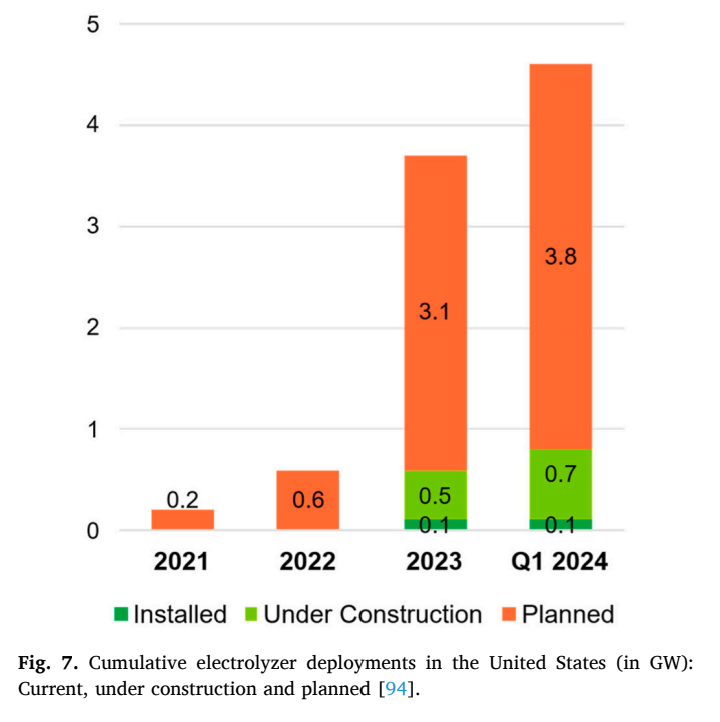 than 25 countries.
Then, in early 2026, HFTO ceased to exist as a standalone office. Its functions were folded into DOE's newly reorganized Office of Critical Minerals and Energy Innovation, and years of program history started disappearing from federal servers along with it.
So Satyapal worked with colleagues Thomas Chilton, Joseph Stanford, and Gerard Watson to write down the history: United States hydrogen and fuel cell technology perspectives.
It's free to access through September 20.
The paper covers ground that matters to anyone building a hydrogen program, and a few specifics stand out:
- HFTO funding produced more than 1,080 active U.S. patents since 2004.
- The Infrastructure Investment and Jobs Act put $9.5 billion toward hydrogen in 2021, including $8 billion earmarked for regional hydrogen hubs, though federal hub funding has since been scaled back or terminated in several regions.
- The International Partnership for Hydrogen and Fuel Cells in the Economy, which Satyapal represented the U.S. on for years, now includes more than two dozen countries.
None of that is controversial. It's just documentation, and documentation is exactly what's at risk when an agency reorganizes, and its old web pages go dark.
“This paper is the kind of institutional memory our industry can't afford to lose,” said Bill Elrick, H2FCP's executive director. “Sunita spent two decades building the federal hydrogen program from the ground up, and now she's made sure at least part of the record survives the office that produced it.”
Learn more about membership at h2fcp.org/join-us.